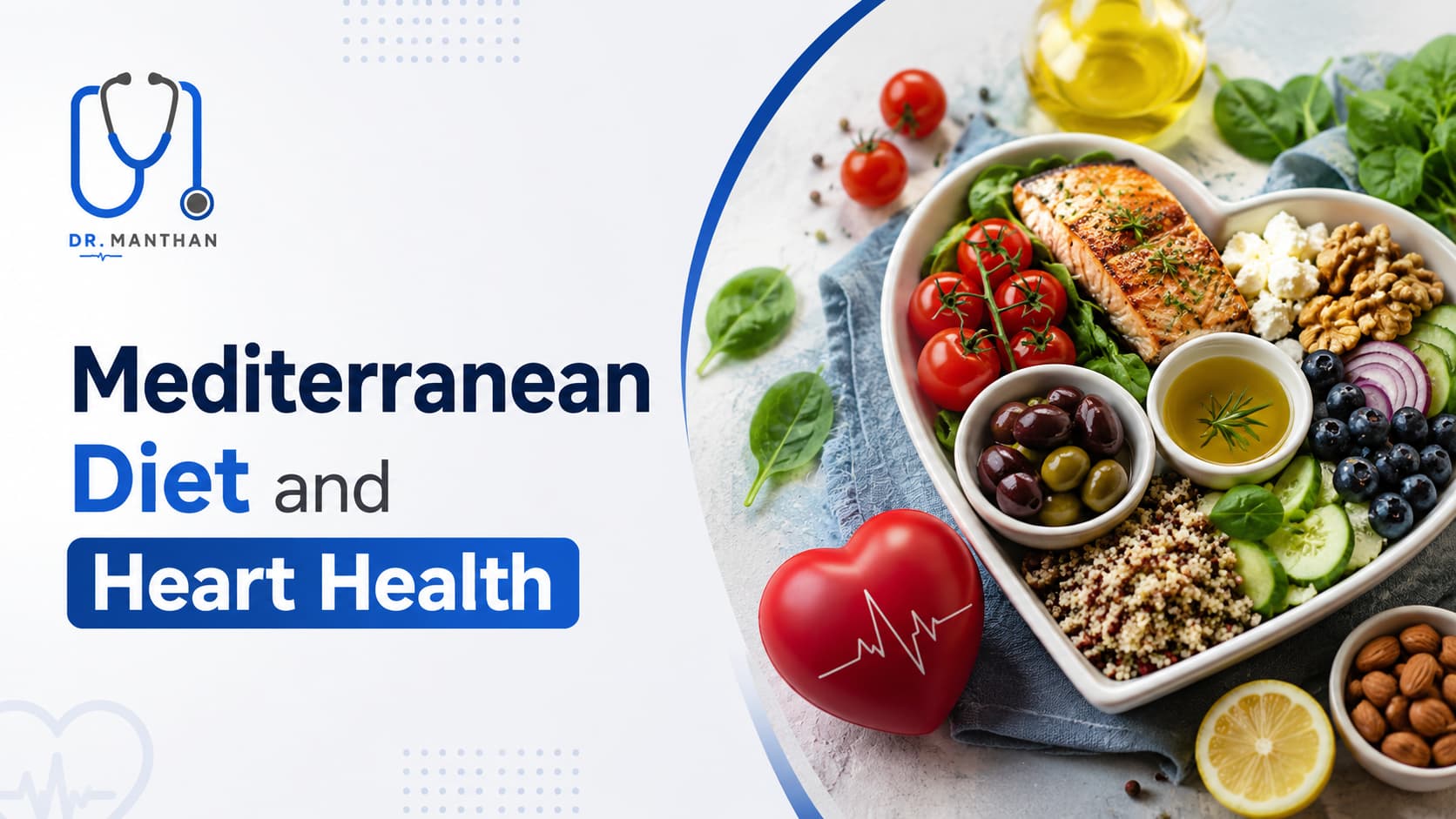
Mediterranean Diet and Heart Health: What the Evidence Says
Understanding Dietary Patterns
When medical professionals analyze how daily food choices affect long-term cardiovascular health, few dietary patterns receive as much attention as the Mediterranean diet. Within the clinical community, researchers thoroughly assess diverse eating habits to discover sustainable methods for lowering cardiac risk. The data points directly to a primary reality. Emphasizing whole, minimally altered, plant-centered ingredients builds a powerful barrier against arterial deterioration and metabolic issues.
Linking this specific dietary approach to cardiac longevity requires looking beyond passing fitness fads. It requires examining how distinct nutrients behave within the human circulatory system. Many individuals become trapped in repetitive cycles of highly restrictive, temporary weight reduction regimes. Those short-term habits remain impossible to maintain over time. This unique framework provides an entirely different path, serving as a functional blueprint that maintains cellular stability, balances lipid proportions, and keeps blood vessels functioning efficiently.
At the core, this pattern elevates cardiovascular strength by calming systemic irritation and metabolic stress at the same time. When optimal fats, complex carbohydrates, and natural antioxidants are consumed together, they help blood vessels remain supple and robust. Because coronary conditions continue to be a primary healthcare issue throughout India, understanding these core principles is vital. Applying these concepts to daily cooking routines is an exceptionally practical step forward for families nationwide.
Scientific Cardiac Evidence
The medical understanding of cardiovascular wellness relies heavily on multiple decades of intensive scientific tracking, large human population analyses, and randomized clinical interventions. A major milestone in preventative medicine was the PREDIMED trial. This long-term research tracked thousands of individuals who carried substantial pre-existing risks for heart disease. The tracking revealed that the subjects who regularly enhanced their menus with cold-pressed olive oil or raw tree nuts achieved massive reductions in strokes and heart attacks.
Data from the Circulation Research publication demonstrates precisely how this biological shield works at a deep cellular level. This complete style of eating modifies the precise genetic pathways that dictate oxidative stress and inflammation inside our arterial linings. By reducing low-density lipoprotein cholesterol, which is the harmful form that aggregates in blood vessels, it preserves protective high-density lipoprotein performance. This balance stops the accumulation of dangerous calcified blockages along the interior vascular pathways.
In addition to lipid optimization, medical data confirms incredible advancements in systemic glucose control and blood pressure metrics. Long-term internal inflammation acts as a hidden catalyst behind advanced blood vessel damage. The immense volumes of natural polyphenols and critical omega-3 fatty acids present in whole food sources steadily alleviate these inflammatory responses. This confirms that genuine cardiac safety emerges from a comprehensive, nutrient-dense lifestyle rather than from relying on a singular pill or powder.
Core Dietary Pillars
The primary engine of a heart-protective lifestyle depends on unrefined, organic food sources that provide steady vitality without shocking the human metabolic system. Base nutrition must be constructed upon unpolished grains, seasonal vegetables, fresh fruits, and high-protein legumes. These foundational options are naturally minimal in added sodium and rich in dietary fiber. Fiber functions within the intestinal tract to isolate bile acids, directly helping the body remove excess circulating cholesterol.
Beyond fiber density, the exact composition of the fats utilized in our kitchens determines whether our arteries stay clear. Monounsaturated fatty acids remain completely fluid at room temperature. They must take precedence over the dangerous trans fats and saturated lipids hidden in commercial baked foods, packaged snacks, and industrial processed meats. Embracing this basic substitution improves endothelial cell function. The blood vessels can open, close, and adapt to blood pressure fluctuations smoothly.
Protein selection serves as another crucial component of this cardiac strategy. Lean, clean options like wild fish, poultry, and plant sources like lentils or beans are superior to red meat. Frequent red meat consumption carries a much higher correlation with arterial plaque accumulation. Crafting family menus around whole, unadulterated items helps individuals eliminate synthetic colorings, refined sweetening agents, and elevated levels of processed salt.
Critical Healthy Fats
Monounsaturated fats act as an excellent energy source for human metabolism while steadily displacing the harmful lipid varieties that cause bad cholesterol scores to escalate. Cold-pressed vegetable oils supply these excellent monounsaturated fatty acids, especially oleic acid, which shields delicate lipids from oxidation. When circulating cholesterol is insulated against oxidation, it cannot become sticky, attach to blood vessel walls, or cause dangerous arterial blockages.
Polyunsaturated fats, particularly essential omega-3 fatty acids, supply an additional layer of vascular protection by encouraging stable cardiac rhythms. They also reduce total triglyceride volumes in clinical blood reports. These highly beneficial lipids are abundant in walnuts, flaxseeds, and cold-water fish. Ensuring these specific foods are consistently present in a regular routine preserves blood vessel suppleness, lowers blood pressure, and protects against sudden cardiovascular emergencies.
Fiber and Antioxidants
Dietary fiber operates as a natural regulator for human metabolic speed. It gently slows down the digestion of simple sugars, providing a controlled, smooth release of energy into the blood. Soluble fiber is highly concentrated in oats, beans, and fresh agricultural produce. It actively captures cholesterol within the digestive tract before the body can absorb it back into circulation. This simple process decreases the workload of the liver, helping sustain ideal lipid balances over the years.
Simultaneously, an abundant supply of antioxidants like vitamins C and E, carotenoids, and natural polyphenols neutralizes free radicals before they damage blood vessels. When the delicate endothelial tissue within our circulatory system remains completely safe from oxidative stress, it operates at peak physiological capability. This deep layer of internal cellular protection drastically reduces the probability of developing chronic high blood pressure or premature vascular decline.
|
Nutrient Category |
Primary Dietary Sources |
Direct Cardiovascular Benefit |
|
Monounsaturated Fats |
Groundnut oil, avocados, almonds |
Lowers bad cholesterol; insulates lipids from oxidation |
|
Soluble Fiber |
Whole oats, lentils, chickpeas, apples |
Isolates and extracts cholesterol in the digestive tract |
|
Omega-3 Fatty Acids |
Walnuts, chia seeds, flaxseeds |
Regulates triglyceride scores; drops resting blood pressure |
|
Polyphenols |
Fresh berries, spinach, and tomatoes |
Minimizes tissue irritation inside the blood vessel walls |
The Indian Kitchen
While much of the original medical data regarding this diet originated from European demographics, the underlying biological science adapts perfectly to an Indian household. The core rules focus on eating whole items, using premium fats, and selecting plant-derived proteins. These identical ideas have resided in regional Indian culinary histories for centuries. Safeguarding your heart does not mean purchasing rare, expensive overseas ingredients. It simply means reorganizing our standard cooking styles and meal portions.
The single most powerful modification we can introduce into an Indian home involves an evaluation of our everyday cooking fats. Replacing highly processed seed oils, vanaspati, and massive volumes of clarified butter with regional oils rich in monounsaturated fats enhances lipid panels. Cold-pressed mustard, groundnut, and sesame oils are magnificent indigenous options that mirror the fat distributions recommended in global clinical literature. Reducing white flour and polished white rice while incorporating ancient grains raises vital fiber intake.
Furthermore, traditional Indian cooking features an unparalleled assortment of lentils, dals, and pulses that align with a cardiac-protective master plan. By altering the proportions of our dinner plates so that local vegetables and high-fiber beans occupy the largest space, we hit an ideal nutritional balance. This adjustment honors our regional taste preferences while using validated science to extend cardiac durability.
Local Whole Grains
Trading fast-digesting refined carbohydrates for traditional Indian grains is a wonderful way to stabilize blood sugar patterns. Incorporating indigenous crops such as finger millet, pearl millet, sorghum, and unpolished hand-pounded red or brown rice ensures you consume the nutrient-dense outer bran layer. Because these ancient grains require a longer time to break down during digestion, they eliminate steep insulin surges and provide a stable supply of vitality.
For daily protein requirements, the Indian pantry holds an exceptional collection of lentils, split peas, black chickpeas, kidney beans, and cowpeas. Pairing these fiber-rich plant proteins with ancient grains generates a complete amino acid structure. This provides the body with necessary building blocks without the vascular strain linked to animal fats. Moderate quantities of fresh paneer or plant options like tofu diversify daily meals beautifully.
Regional Cooking Oils
The basic fat utilized to prepare daily food operates as a major control switch for your blood vessels. Within our regional environment, wood-pressed groundnut and mustard oils supply a stellar baseline of monounsaturated fatty acids. They also feature high smoke points that easily accommodate standard Indian culinary preparations. These oils preserve clean blood cholesterol fractions without fracturing into dangerous trans fats during high-heat cooking.
Ghee holds a deep cultural significance across Indian families. However, medical data indicates its dense saturated fat profile means it must function as a limited seasoning rather than a primary cooking base. Restricting unrefined regional oils to small, measured amounts for your spice tempering ensures your dishes remain aromatic and satisfying. This method limits total saturated fat intake, keeping values well within safe cardiovascular parameters.
Building Lasting Habits
Transitioning into a heart-healthy lifestyle is most effective when you choose a steady, realistic progression instead of forcing overnight transformations. Drastic, overly aggressive rules typically end in exhaustion, mental fatigue, and eventual nutritional imbalances. Prioritizing small, consistent upgrades to your current kitchen routines allows your palate to adapt comfortably to increased fiber volumes and healthier fat choices.
|
Step Number |
Core Action |
Practical Implementation |
|
Step 1 |
Change Cooking Oils |
Select cold-pressed regional oils; limit ghee and vanaspati. |
|
Step 2 |
Adjust Plate Ratios |
Fill half the dinner plate with local greens and vegetables. |
|
Step 3 |
Upgrade Carbohydrates |
Exchange white rice and maida for ragi, jowar, or bajra. |
|
Step 4 |
Maximize Plant Proteins |
Include a generous portion of native dals, sprouts, or chana. |
|
Step 5 |
Revamp Daily Snacks |
Replace deep-fried namkeens with raw almonds or whole walnuts. |
The initial real-world step begins with a simple inspection of the cooking mediums residing in your kitchen pantry. Replacing industrial, chemically extracted oils with high-quality cold-pressed versions immediately improves the base nutritional value of every single meal. Following that adjustment, observe the layout of your lunch and dinner plates. Ensure that seasonal, non-starchy vegetables fill half of the space.
The next practical stage concentrates on reshaping your afternoon snacking routines. When mid-day hunger arrives, avoid the commercial deep-fried snacks, pastries, or sweet packaged cookies that dominate modern store shelves. Keeping a sealed container of raw walnuts, unpeeled almonds, or dry-roasted chickpeas nearby provides critical micronutrients and beneficial fats. These smart choices contain no hidden sodium, building a protective habit that lowers your risk factors for cardiovascular conditions over time.
Dismantling Common Myths
A highly persistent misconception among individuals is that cooking for cardiac safety requires abandoning the entire spice box and eating flavorless, boiled food. This belief contradicts medical reality. Traditional Indian spices like turmeric, garlic, ginger, whole cumin, and fenugreek seeds are loaded with bioactive molecules that actively assist blood vessel function. The curcumin compound inside everyday turmeric offers documented anti-inflammatory benefits that directly preserve the inner vascular lining when consumed in a balanced routine.
Another frequent misunderstanding is the narrative that all forms of dietary fat must be entirely eliminated to preserve the heart. The human liver requires clean, healthy fats to synthesize indispensable hormones and properly process fat-soluble vitamins like A, D, E, and K. When people switch to extreme, zero-fat diets, they often overconsume refined carbohydrates to feel full. That habit accidentally raises harmful triglyceride scores and intensifies insulin resistance, meaning fat quality matters more than total fat elimination.
Finally, many individuals assume that a heart-protective strategy is financially impossible and relies solely on expensive imported health items like quinoa or kale. Local Indian vegetable markets are filled with accessible, highly nutritious equivalents. Amaranth is an outstanding grain alternative, local spinach and fenugreek leaves supply immense arterial defense, and affordable seasonal fruits like guavas, amla, and papayas offer remarkable antioxidant levels without a premium cost.
Achieving Long-Term Wellness
A deep analysis of the clinical data regarding the Mediterranean diet and heart health proves that lasting vascular strength depends on daily repetition and high ingredient quality. Modifying your nutritional path does not demand a complete rejection of family recipes or cultural culinary heritage. Making deliberate decisions to introduce regional ancient grains, diverse plant proteins, and unrefined native oils allows you to construct a highly protective framework right inside your home.
At the same time, we must recognize that cardiovascular health is shaped by a collection of daily habits that operate alongside your nutrition. Adopting consistent physical movement, protecting deep sleep schedules, and practicing active stress reduction collaborate with your food choices to maximize metabolic efficiency. When clean, whole food selections transform into an effortless component of your daily routine, the protective benefits extend across your entire life.
Ultimately, keeping your heart in ideal physiological condition requires moving away from highly processed convenience foods and returning to whole, minimally altered ingredients. Implementing deliberate, health-first adjustments inside your kitchen pantry provides a clear, proactive method to shield your blood vessels and improve daily vitality. Embracing these evidence-based updates gives you the power to take absolute responsibility for your long-term wellness, one nourishing meal at a time.
Frequently Asked Questions
Can a completely vegetarian diet provide the same heart benefits as a Mediterranean diet?
A precisely planned vegetarian lifestyle can replicate the exact cardiovascular benefits seen in Mediterranean medical trials. Centering daily meals on unpolished ancient grains, a diverse selection of regional lentils, raw seeds, tree nuts, and cold-pressed oils delivers the fiber, anti-inflammatory elements, and clean lipids required to keep blood vessels safe.
Is it safe to use mustard oil daily for heart health?
Cold-pressed mustard oil represents an outstanding option for everyday domestic food preparation. It features a highly advantageous balance of monounsaturated and polyunsaturated fats, along with alpha-linolenic acid, which is a plant-derived omega-3 fat. Its elevated smoke point allows it to manage classic Indian cooking techniques perfectly without degrading into toxic compounds.
How does the consumption of fiber help reduce high blood pressure?
Dietary fiber influences multiple bodily processes simultaneously. It optimizes overall insulin sensitivity and aids in sustainable weight management. Additionally, soluble fiber gathers up excess cholesterol inside the intestinal system, accelerating its removal from the body. This mechanism keeps arterial linings flexible, letting blood circulate with decreased physical pressure on the heart muscle.
Do traditional Indian spices lose their health benefits during long cooking processes?
Aggressive, long-term boiling can reduce certain heat-sensitive vitamins and volatile oils. However, standard domestic cooking methods like quick tempering or low simmering do not destroy the foundational wellness benefits of our native spices. Common ingredients like crushed garlic and turmeric maintain their anti-inflammatory properties exceptionally well through normal family recipe preparation.